El Telar Universal
What we did
Video Mapping Experience
Industry
Cultural Activity
Description
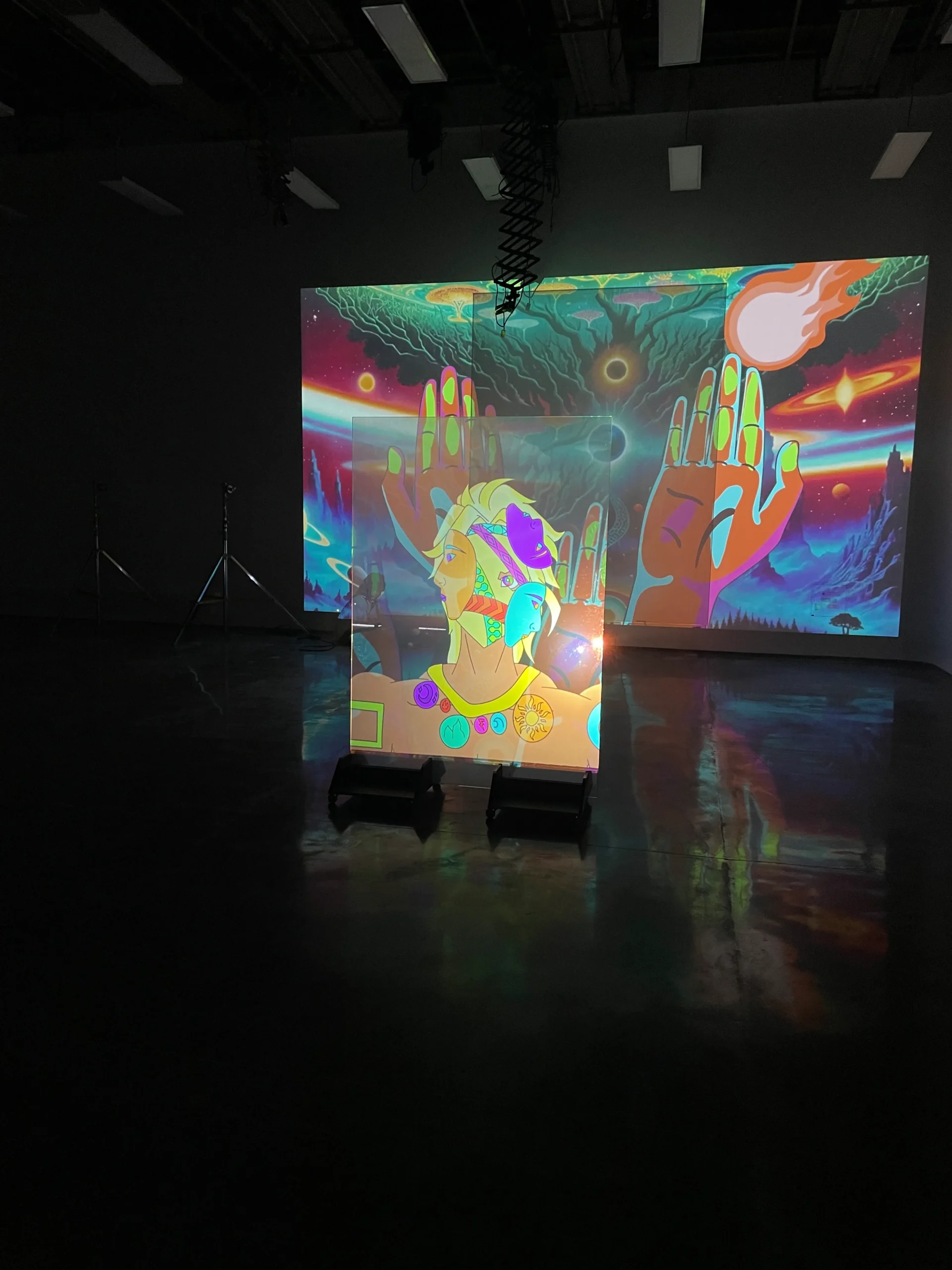
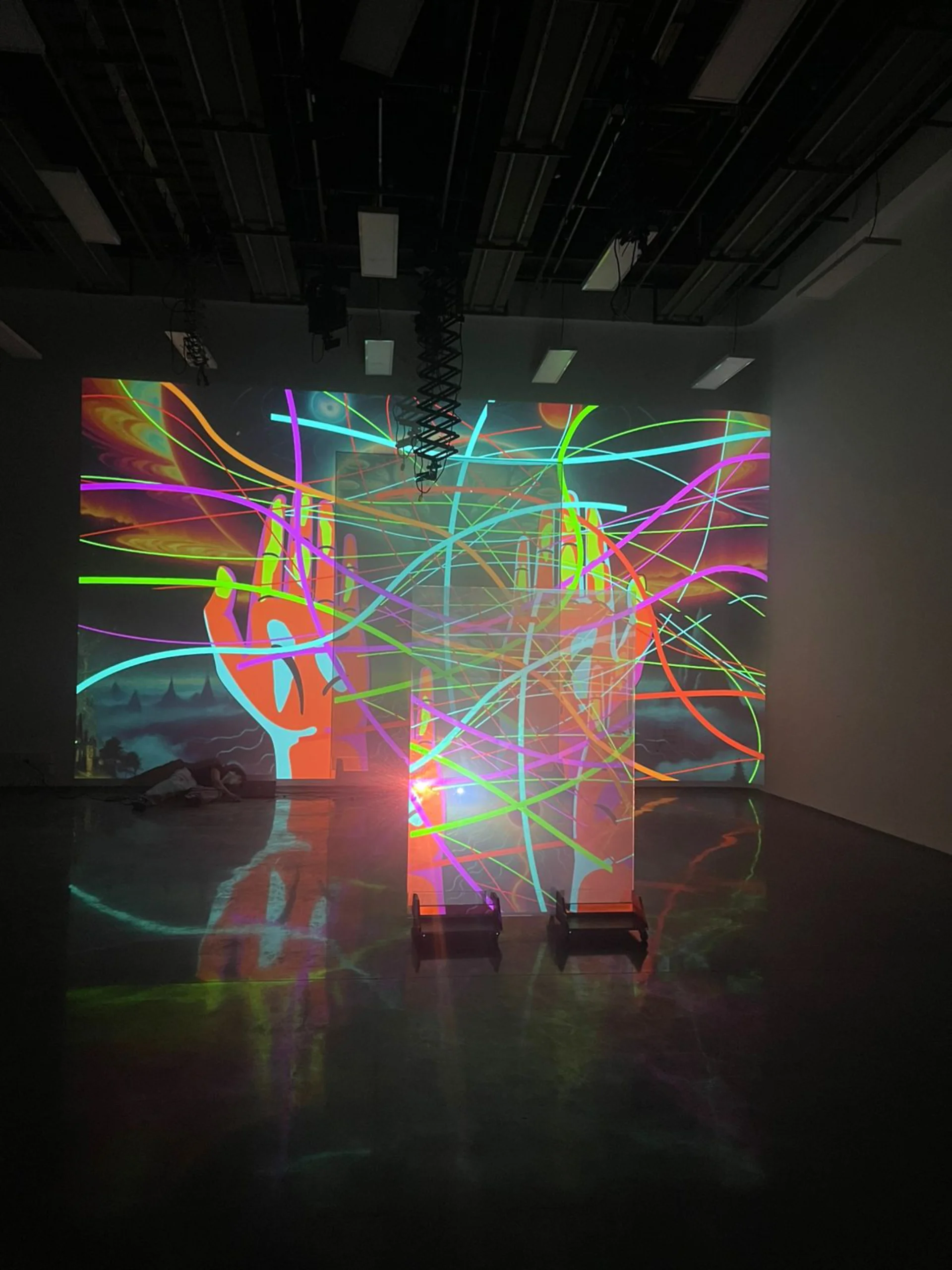
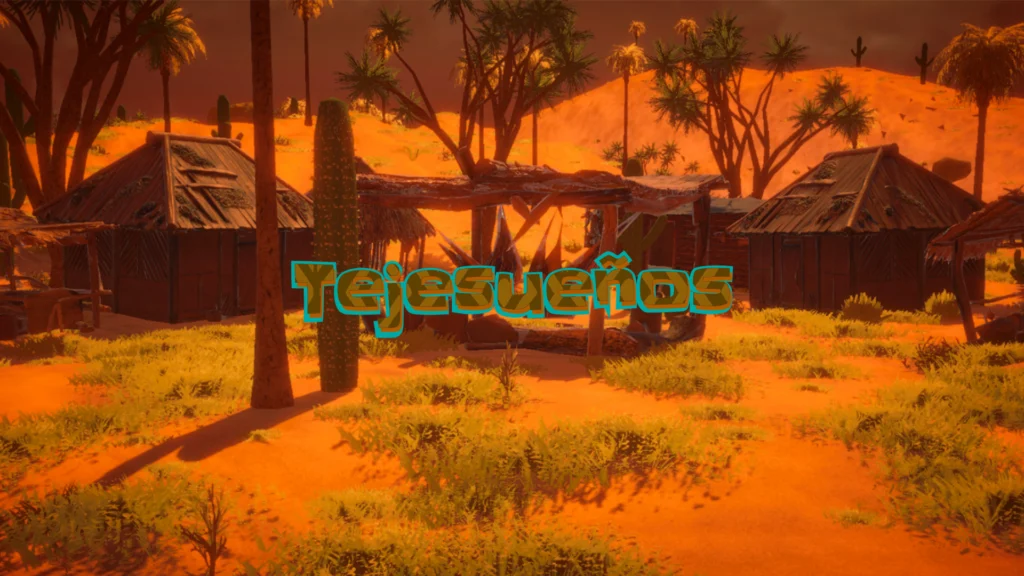
This multimedia installation case study documents the technical execution and creative foundations behind El Telar Universal, the origin point and narrative genesis of the Tejesueños transmedia universe. The universe as a whole is recognized with Los Premios Huella in 2025 at Universidad de Medellín, this experience transforms physical environments into immersive cultural spaces. Conceived as a 2D animation, the project transcends traditional screens to convert physical architecture into an immersive spectacle through holographic glass and specialized video mapping. The narrative reinterprets ancestral Wayuu traditions, grounding the birth of the entire transmedia universe in a fusion of cultural symbolism and our own artistic interpretation.
My role encompassed cultural research, 2D illustration, narrative review, and technical assembly. I conducted first-hand research into Wayuu folklore to structure the core story, created some of the illustrated visual assets for the animation, and assisted in assembling the physical hardware. The setup featured a dual-projector system, dedicated to the scenic background and holographic glass respectively, synchronized with spatial audio to deliver real-time three-dimensional depth within the Tejesueños narrative universe.
Creative Foundations and Architectural Setup
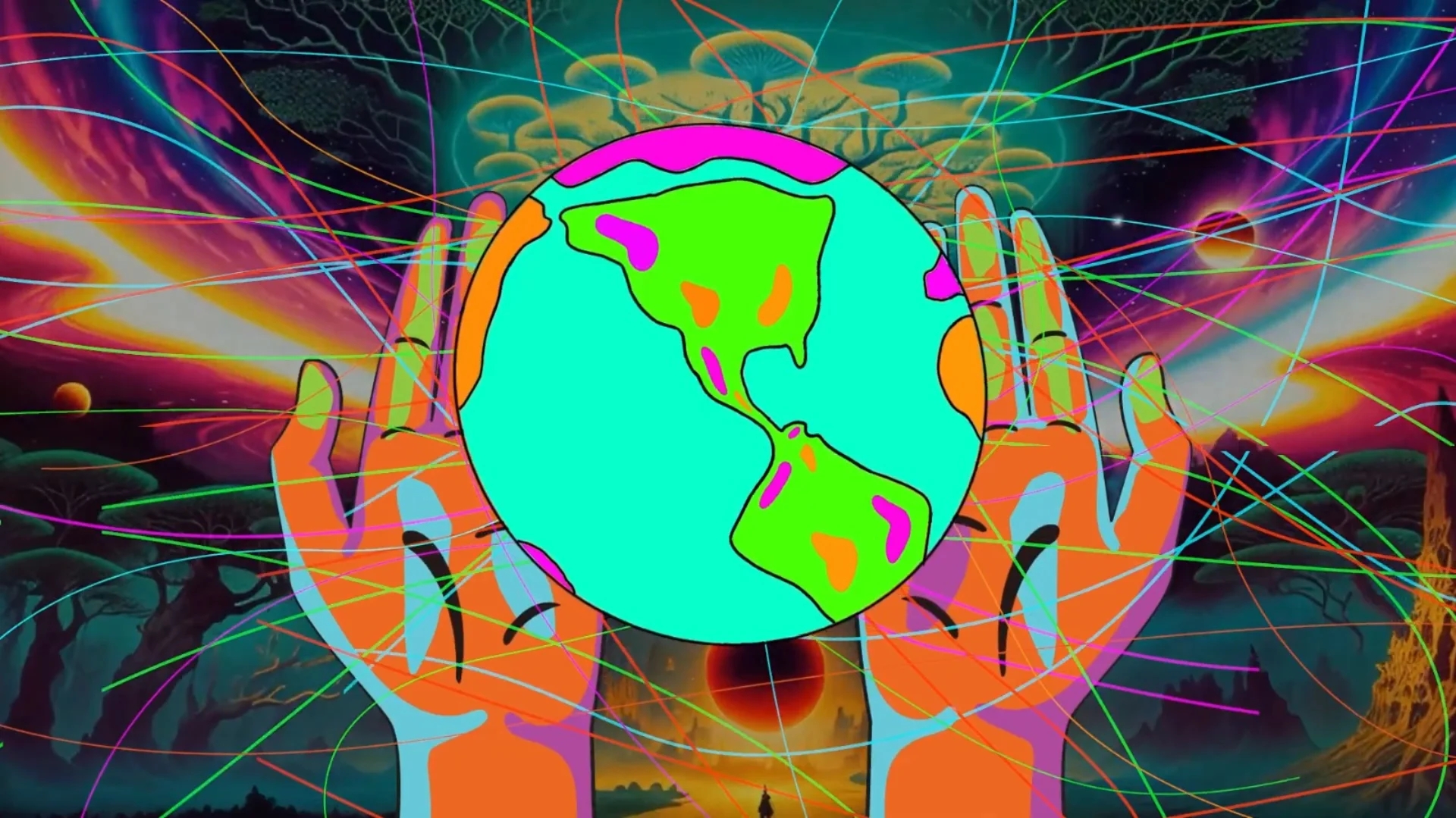
Developing an impactful video projection installation required converting two-dimensional Wayuu weaving symbols into dynamic digital graphics. To guide the creative pipeline, our team focused on analyzing architectural geometry, calculating projector angles, and designing high-contrast visual assets that align perfectly with physical surfaces. By studying traditional textile patterns, we translated physical thread weaving into flowing light streams that simulate the creation of a massive cosmic loom, ensuring the spatial mapping layout matched the physical venue seamlessly.
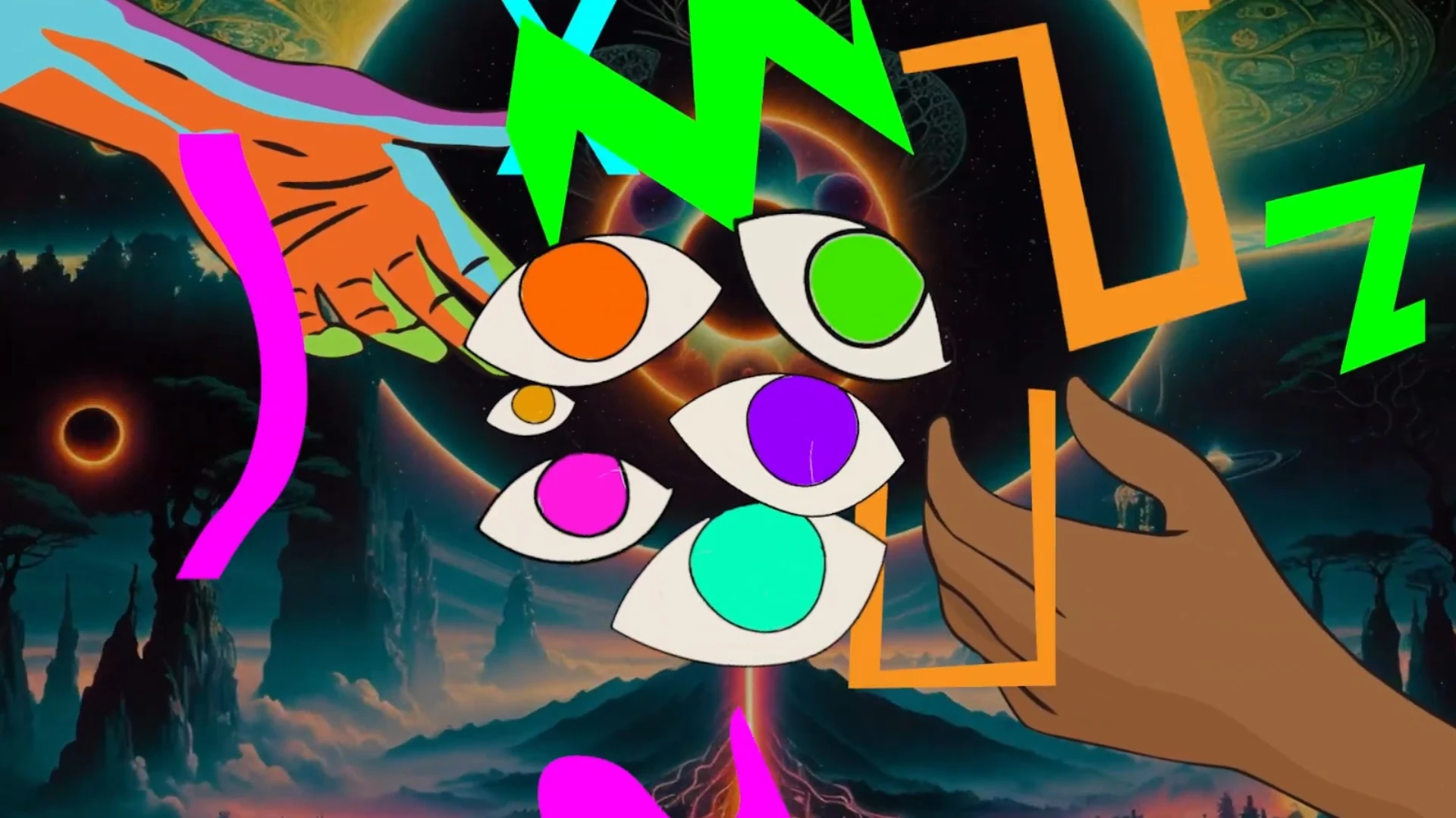
Structuring digital stories around heritage preservation requires balancing visual innovation with cultural respect. To ensure our representations remained authentic, our team collaborated closely with Wayuu educator Valkis Bernier as our cultural validator throughout the development process. We built custom motion graphics and frame-by-frame 2D animation sequences that highlight ancestral origin stories, creating an engaging visual rhythm that captivates viewers during public exhibitions.
Dual-Format Architecture: Spatial Video and 2D Animation
To maximize reach across physical spaces and digital platforms, El Telar Universal operates through a versatile dual-delivery framework:
-
Physical Surface Mapping: High-definition light projections mapped onto physical walls, combined with holographic glass to generate three-dimensional visual depth.
-
Standalone 2D Animation: A dedicated animated short film version designed for web streaming, mobile devices, and educational presentations when projection hardware is unavailable.
-
Spatial Audio Integration: Synchronized audio compositions featuring traditional wind instruments like the sawawa and rhythmic percussion designed to enhance visual movement.
-
Interactive Educational Assets: Digital storytelling content crafted for academic discussions, cultural workshops, and interactive media presentations.
Hardware Assembly, Testing, and Technical Implementation
During the technical assembly phase, our team focused on calibrating dual-projector brightness, alignment angles, and depth layer synchronization. We configured dedicated projection channels to isolate background environments from the foreground holographic glass, creating a layered visual space that enhances immersion. Every visual asset was optimized through frame rate adjustments and color profile tuning to guarantee crisp playback across both physical installations and web platforms, ensuring the projection mapping setup maintained high visual clarity.
Thoughtful media development can create products like El Telar Universal that genuinely represent and preserve Colombian culture in modern digital design without losing its authenticity. Bringing this visual package together took a balanced approach, combining field research and traditional illustration with motion graphics, projection alignment, dual-projector assembly, and standalone 2D animation to build an installation that honors local history.
To see how these visual architecture principles apply across other digital products, explore my dedicated UI UX Case Study portfolio section. To learn more about my overall technical background, prototyping methods, and interactive development experience, visit my About Me page.